× The Nightcap
Return slate · B / trending cut · April 2026
Three conversations. One couch. One market nobody's courting.
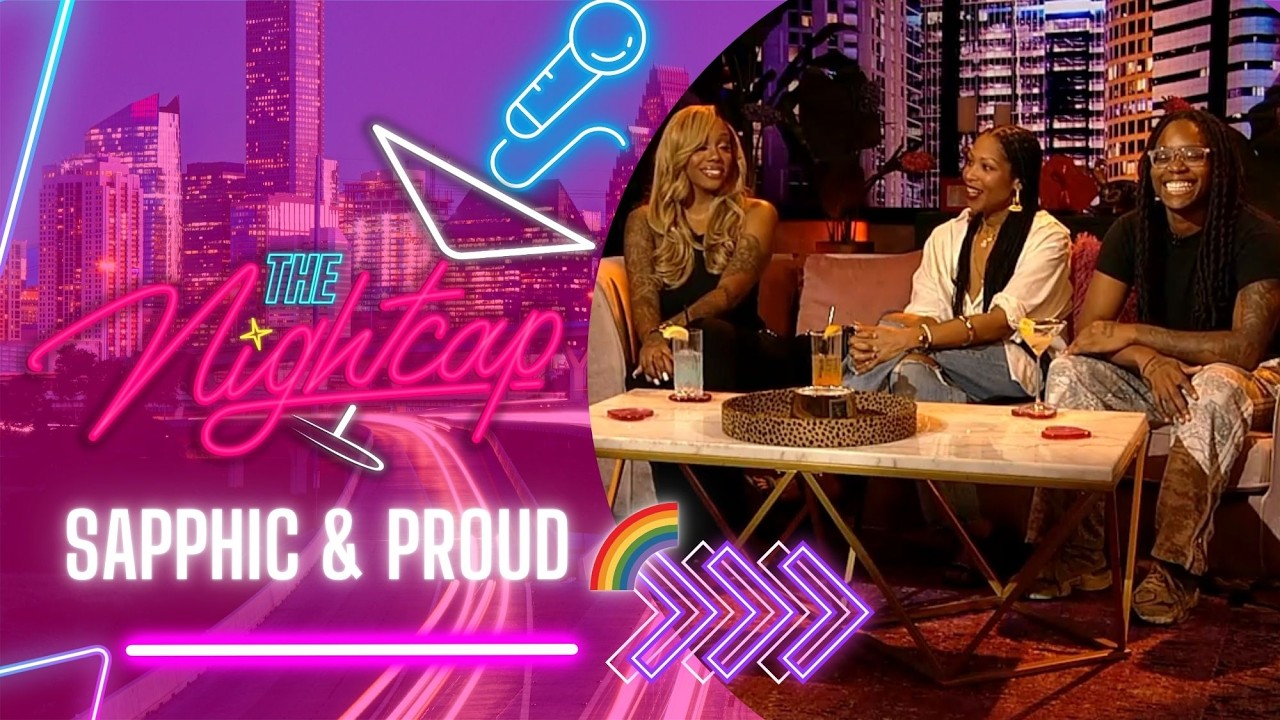
Pink Couch Confessions · March 16, 2026 · watch the first segment
Three conversations sapphic TikTok is already having. Let's bring them home.
Thank you for the pink couch on March 16. The clip jumped our waitlist, and the DMs from Houston sapphic women alone made the whole taping worth it. I want to come back with three shows that meet the internet where it's already arguing — and bring a few brand friends with me along the way.
Three shows. Three conversations already happening. One couch.
The app reckoning, the U-Haul reframe, and femme invisibility in 2026 — three live sapphic discourse moments. Each one naturally pairs with a brand lane (wellness, wine, beauty) if the timing's right for your ad team.
The audience is here. It's just not being spoken to yet.
Annual purchasing power of US LGBTQ+ adults — a segment brands keep saying they want to reach.
Source · LGBT Capital
LGBTQ+ adults in Houston metro. The fourth-largest US market, quietly holding the largest Southern queer audience.
Source · Williams Institute
Views on the #sapphic hashtag alone — not counting #wlw, #sapphictiktok, or #lesbian, each separately in the billions.
Source · TikTok discovery
Three conversations, one arc. Pick where you want to land.
Panel · 18–22 min. Every app that failed queer women gets its day on the couch.
Panel · 18–22 min. A 30-year joke reframed with behavioral research and honest panel stories.
Panel · 18–25 min. The misrecognition conversation sapphic femmes never stopped having.
App Ghosts — The Sapphic Reckoning With Dating Apps
Proposed: Wed 5/13, 5/20, or 5/27 · 18–22 min panel
Tinder showed me twelve straight men before it showed me one woman. The app wasn't broken. It was never built for me.
Show I · pull quote
Natural fit with wellness, mental health, telehealth.
If the timing's right for your ad team, these are the categories I'd already be comfortable making a warm intro into — dating burnout sits quietly at the center of the wellness conversation.
Guest archetypes (with starting names)
- The serial app-dater. Someone who's tried all six major apps, has the stories, and can name the specific UX patterns that burn queer women. A sapphic creator or writer who's already posted about it.
- The off-apps-for-good voice. A sapphic woman who deleted everything and found her partner IRL, in a Houston space. Grounds the segment so it doesn't become an app infomercial.
- The sapphic therapist. Someone like Dr. Lexx Brown-James type — can name dating burnout, attachment fatigue, and the specific psychological weight of being mismatched for queer women.
- Desirée as founder + researcher — carries the ML/matching angle. Doesn't sell; she explains why it's a real engineering problem.
The U-Haul Was Never the Punchline
Proposed: Tue 6/2, Wed 6/3, or Thu 6/4 · 18–22 min panel
The U-Haul was never the punchline. The punchline was thinking we'd apologize for loving fast.
Show II · pull quote
Naturally a wine show. Love stories with a glass in hand.
Sapphic-forward wine brands like Avaline, McBride Sisters, and Camins 2 Dreams already court queer women. If your ad team wants it, this is the taping I'd most happily help set a table for.
Guest archetypes (with starting names)
- The sapphic couple. Real partners willing to tell their own U-Haul story on camera. Bonus if they're Houston-based and the timeline is wild (month 2, month 3).
- The sapphic relationship therapist. A practitioner who works with queer women and can explain attachment dynamics without pathologizing. Dr. Lexx Brown-James type, or a local Houston queer therapist.
- The sapphic creator who's already made this argument online. Someone whose "the U-Haul joke isn't it" content has already moved; they bring their own audience to the couch.
- Desirée — behavioral-econ + product voice. Explains matching design in terms of attachment, not features.
You Don't Look Gay — Femme Invisibility in 2026
Proposed: Tue 6/16 or Wed 6/17 · 18–25 min panel
I'm not straight-passing. I'm visible. You just weren't looking.
Show III · pull quote
Beauty, fashion, fragrance — quietly.
Visibility is a conversation beauty brands are trying to earn. Queer-owned names (TomboyX, Wildfang) and major queer-forward brands both fit the room — if your team wants to open that door.
Guest archetypes (with starting names)
- The hyper-femme creator. A sapphic woman whose visibility has been questioned publicly and who's already posted about it. Brings her audience; brings the receipts.
- The Black queer woman on compounded misrecognition. The intersection of "you don't look gay" and "you don't look queer enough" — a conversation that sapphic media almost never centers.
- The relationship coach or writer. Someone who's written or counseled about queer visibility and can hold the harder beat (misrecognition from inside the community) with care.
- Desirée — founder + femme voice. Carries the "how tech can honor visibility without demanding performance" thread. Personal POV, not pitch.
Three sapphic conversations, one quiet thread.
On paper these look like three different shows — an app critique, a joke reframe, a visibility conversation. They're not. Each one is a live discourse moment sapphic communities are already arguing about online, and each one lands on the same question: what does technology built with us in mind actually look like? Show I asks it as product. Show II asks it as attachment. Show III asks it as profile.
The arc lets me show up differently in each segment — researcher in the app reckoning, behavioral-econ voice in the U-Haul reframe, founder + femme in the visibility conversation — without any one show becoming a pitch.
Sapphic TikTok has been having these three conversations for a year. Nobody has given them a couch. Let's be the first — in Houston, at Nightcap pace, with a Black queer founder carrying the thread.